|
Kamis, 11 April 2024
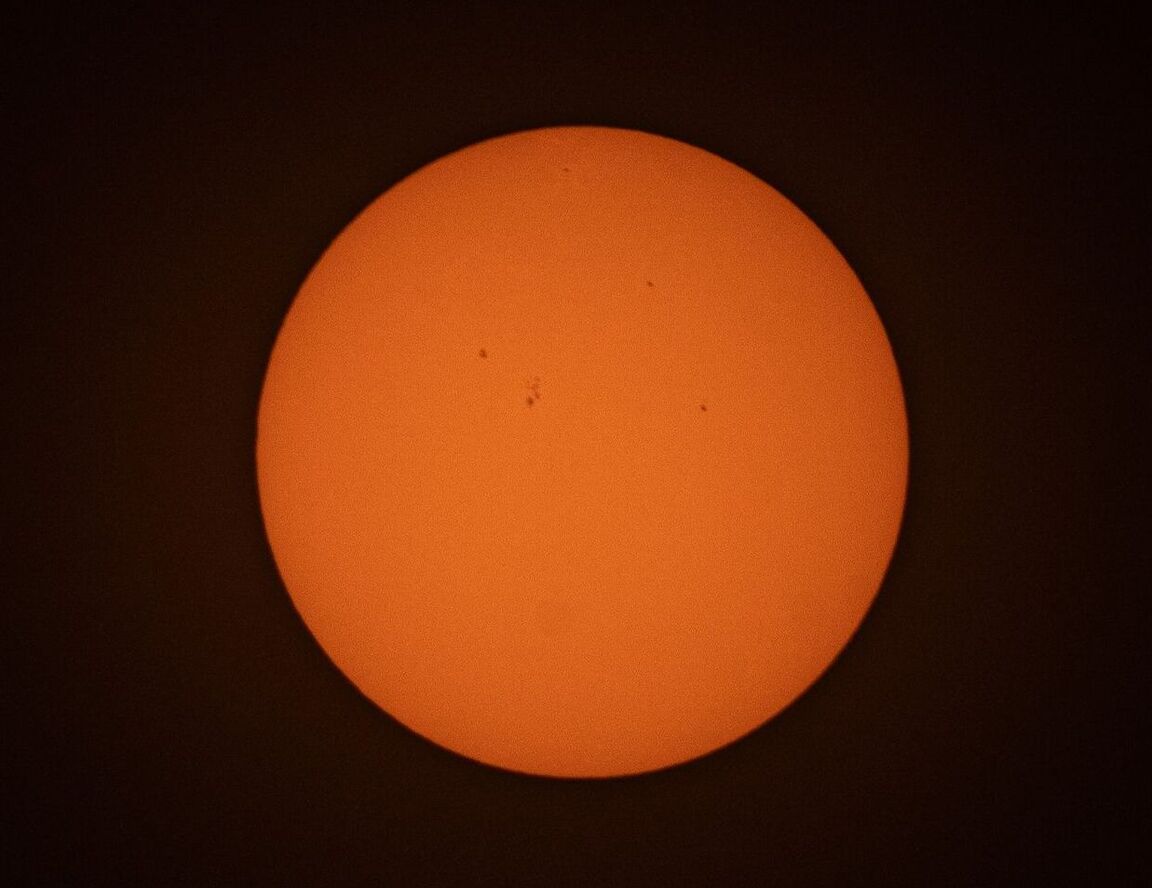
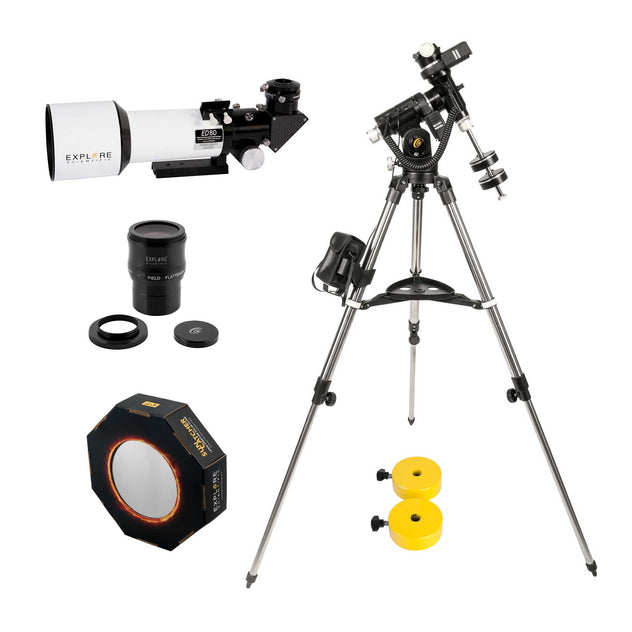
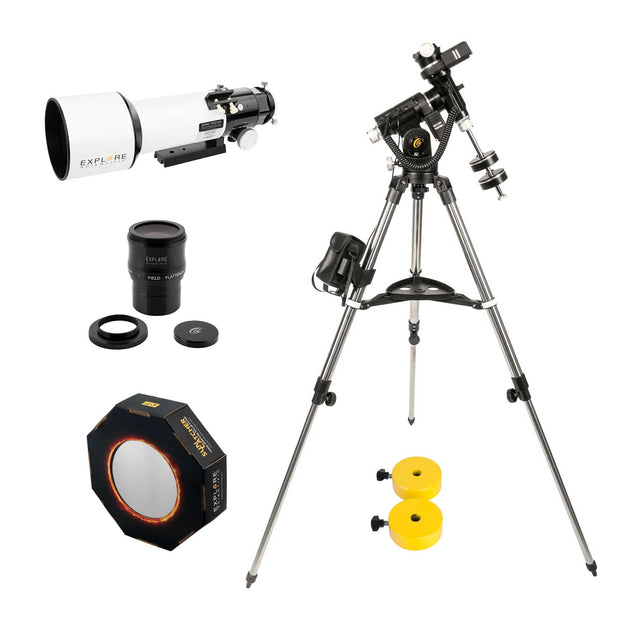
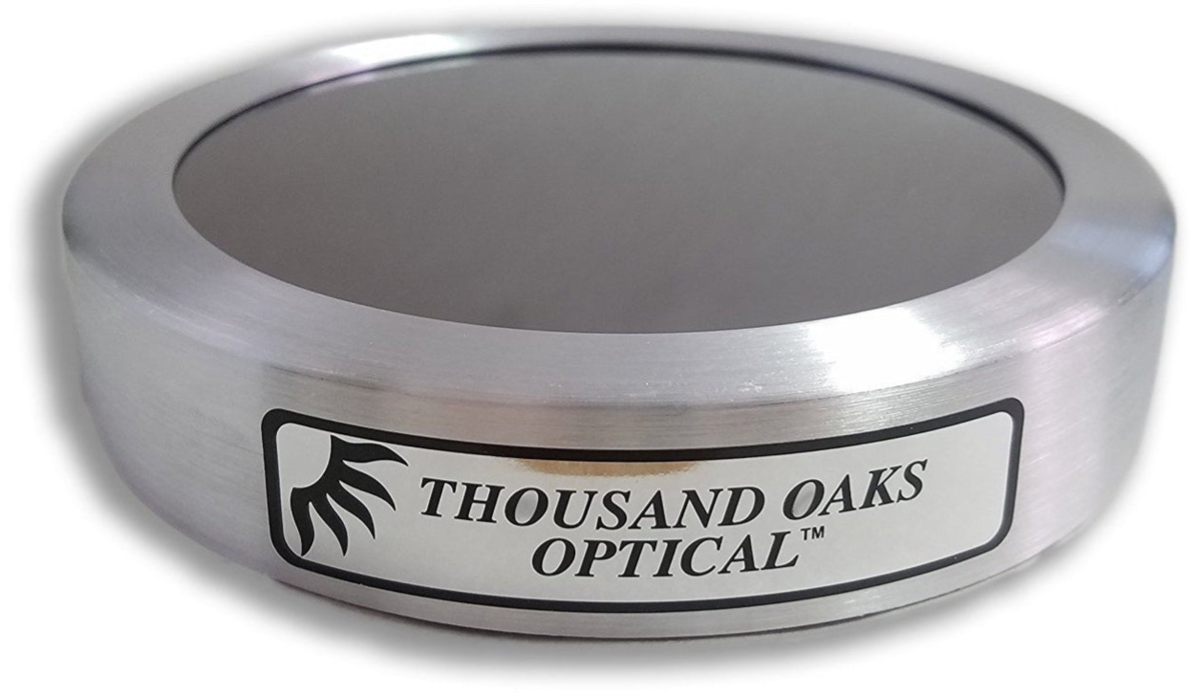
Did the total eclipse give you solar fever?












Selasa, 09 April 2024
RE: Updated the latest rates from China
Good day!
Now the ocean rate has been updated from China.
We provide FCL and LCL ocean and air shipping services from China to other countries.
Any cargo do you need to ship?
We can quote for you the best rate.
Looking forward to cooperating with you.
Rosy
Overseas Manager
Realhong (Shanghai Head Office) Logistics Co,.Ltd.
Senin, 08 April 2024
Well Water Safety: Testing, Contaminants, and Treatment Solutions
If you rely on a private well for your water supply, well water testing is essential to ensure the safety of your drinking water, as well as for overall household use. Unlike municipal water sources, which undergo regular treatment and monitoring, private wells are the homeowner's responsibility. This means that potential contaminants – whether from natural sources, human activities, or well system malfunctions – may not be detected without proactive testing.
Well water can harbor various contaminants that might affect your health. Bacteria, like E. coli, can cause gastrointestinal illnesses, while nitrates pose a particular risk for infants. Heavy metals like lead and arsenic have links to developmental problems and long-term health risks. Other contaminants, including minerals and chemicals, might not cause immediate illness but can affect the taste, odor, or appearance of your water.
Regular well water testing is the only way to proactively identify these potential issues. By understanding what's in your water, you can make informed decisions about treatment options and protect your household's health.
Why Well Water Testing Matters
Common Contaminants and Health Risks
It's crucial to understand that even clear, pleasant-tasting well water can contain harmful contaminants. Here are some of the most concerning categories:
- Bacteria: Bacteria like coliform and E. coli can originate from septic systems or animal waste. They typically cause gastrointestinal issues like diarrhea, nausea, and vomiting.
- Nitrates: Nitrates often leach into groundwater from fertilizers, septic systems, or livestock operations. They're particularly dangerous for infants, leading to "blue baby syndrome" (methemoglobinemia), a condition that reduces the blood's ability to carry oxygen.
- Lead: Lead in drinking water often comes from corroded plumbing materials. Lead exposure can cause developmental delays and learning difficulties in children, and health problems in adults, including high blood pressure and kidney issues.
- Arsenic: Arsenic is a naturally occurring element found in some rock formations. Long-term arsenic exposure increases the risk of various cancers, including skin, bladder, and lung cancer.
- Radon: Radon is a radioactive gas that can seep into wells from underground sources. Exposure to radon is the second leading cause of lung cancer after smoking.
- Other Contaminants: Well water can also contain excessive minerals (hardness, iron), pesticides, industrial chemicals, and other contaminants with varying health effects.
Long-Term Health Considerations
Some contaminants may not cause immediate illness, but their effects can accumulate with long-term exposure. Regular well water testing is the best way to monitor these potential risks and take action to keep your water safe. Additionally, well water testing gives you a baseline so you can detect any changes in your water quality over time.
Peace of Mind
Knowing what's in your well water offers peace of mind. When you're sure your water is safe, you can confidently use it for drinking, cooking, bathing, and other household activities, ensuring your family's health and well-being.
When to Test Your Well Water
Recommended Testing Frequency
The Centers for Disease Control and Prevention (CDC) recommends testing your well water at least annually for total coliform bacteria, nitrates, total dissolved solids, and pH levels. More frequent testing might be necessary depending on your area's risk factors or if you notice changes in your water.
Situations Requiring Immediate Testing
In addition to routine testing, schedule water testing immediately if you experience any of the following:
- New Well or Major Repairs: If you have a newly constructed well or have undergone significant repairs, testing ensures it's producing safe water.
- Changes in Water Quality: Changes in taste, odor, or appearance (cloudiness, unusual colors) can indicate contamination.
- Gastrointestinal Illness: If household members experience unexplained stomach issues, test for bacterial contamination.
- Infants or Pregnancy: Infants and pregnant women are more susceptible to waterborne contaminants, so extra precaution is vital.
- Malfunctioning Septic Systems: Issues with your septic system increase the risk of groundwater contamination near your well.
- Changes in Land Use: If new agricultural operations, industrial facilities, or other potential sources of contamination move near your property, prompt testing is warranted.
Staying Proactive
Remember, well water contamination isn't always obvious. Regular testing is a crucial part of responsible well ownership and ensures a safe drinking water supply for your household.
How to Get Your Well Water Tested
Types of Tests
- DIY Test Kits: Home testing kits provide a basic analysis for some common contaminants like bacteria, nitrates, and pH. These kits offer limited accuracy and shouldn't replace thorough professional testing.
- Professional Laboratories: Accredited laboratories offer comprehensive water testing services that analyze a wide range of contaminants, including bacteria, heavy metals, pesticides, and volatile organic compounds (VOCs). They provide detailed reports and guidance on interpreting results.
Finding Reputable Labs
Choosing a certified laboratory is critical for accurate results and reliable recommendations. Here's how to find one:
- State Health or Environmental Departments: Contact your state health department or the equivalent environmental agency for a list of accredited water testing labs in your area.
- Centers for Disease Control and Prevention (CDC): The CDC provides resources for finding certified laboratories.
- Environmental Protection Agency (EPA): The EPA maintains a list of certified drinking water laboratories by state.
Understanding Your Test Results
Labs provide a detailed analysis of your water, including the levels of detected contaminants. Compare the results to the EPA's drinking water standards to determine if any contaminants exceed safe limits. Resources from agencies like the CDC and state health departments can help you interpret your results and determine the appropriate course of action.
What to Do If Your Well Water is Contaminated
Don't Panic
While concerning, most well water contamination issues are treatable. The first step is to understand the specific contaminants present, their potential health effects, and the appropriate remediation options.
Immediate Actions
- Stop Drinking the Water: If contaminants exceed safe levels, immediately stop drinking and using your well water for cooking or brushing teeth.
- Use Bottled Water: Use a reliable source of bottled water for drinking, cooking, and other essential needs until you implement a solution.
Seek Professional Guidance
- Contact Your Health Department: Consult your state or local health department for guidance tailored to the specific contaminant(s) found in your water. They can help you understand health risks and recommend next steps.
- Consult a Well Water Specialist: A certified well water contractor can assess your well system, identify potential contamination sources, and recommend treatment options.
Treatment Options
The best treatment solution depends on the type and level of contaminant(s). Some common options include:
- Filtration Systems: Various filters target specific contaminants like bacteria, nitrates, heavy metals, or minerals.
- Distillation: Distillation removes minerals, some metals, and effectively eliminates bacteria and viruses.
- Chlorination: Chlorination effectively kills bacteria and viruses but may not address other contaminants.
- Other Technologies: Technologies like reverse osmosis or ultraviolet (UV) light treatment offer solutions for a range of contaminants.
Choosing the Right Solution
Always consult with professionals to determine the most appropriate treatment system based on your test results, well characteristics, and household needs.
Well Maintenance for Safe Water
Alongside testing, regular well maintenance is crucial for protecting your water supply and extending the lifespan of your well system. Here's why it matters:
- Preventing Contamination: Well maintenance helps identify and address potential points of contamination before they affect your water quality.
- Ensuring System Functionality: Regular inspections catch mechanical issues early, preventing malfunctions that could compromise water safety or lead to costly repairs.
- Proactive Protection: Well maintenance empowers you to take proactive steps safeguarding your drinking water, rather than just reacting to problems as they arise.
Key Maintenance Practices
- Annual Inspections: Schedule yearly checkups with a qualified well contractor to inspect your well's casing, cap, and mechanical components.
- Proper Location and Construction: Follow guidelines for well placement at a safe distance from potential contamination sources (septic systems, livestock pens, etc.). Ensure your well is constructed according to standards, with a sanitary seal preventing surface runoff from entering.
- Protecting Your Wellhead: Maintain a clear area around your wellhead, keep it free of debris, and ensure the well cap is securely in place.
- Monitoring for Changes: Be observant. Report any changes in your water, unusual activity around your well, or damage to the well.
- Septic System Maintenance: Regularly pump and inspect your septic system to prevent malfunctions that could contaminate your well.
Safeguarding Your Well Water: Key Takeaways and Next Steps
Well water testing is an essential responsibility for private well owners. Regular testing identifies potential contaminants that may pose health risks, allowing you to make informed decisions about water treatment for safe consumption and household use. Understanding common contaminants, when to test, how to choose a lab, and simple maintenance practices significantly reduces risks and ensures ongoing access to safe drinking water.
Key Takeaways
- Well water, unlike municipal water, isn't regularly treated or monitored.
- Bacteria, nitrates, lead, arsenic, and other contaminants can jeopardize the safety of your water supply.
- Test your well at least annually, and more often if risk factors are present or you notice changes in your water.
- Professional water testing laboratories provide the most comprehensive analysis and guidance.
- Prioritize regular well inspections and maintenance to prevent contamination and protect your investment.
Don't take chances with your family's health. If you rely on a private well:
- Locate a certified water testing lab near you. Contact your state health department for resources as a starting point.
- Schedule your initial well water test. Discuss the details of the testing process and expected timeframe for results with your chosen lab.
- Consult a well water professional. Have a qualified contractor inspect your well system and offer advice on maintenance best practices.
By following these steps, you'll gain the peace of mind that comes from knowing your well water is safe and protecting the well-being of your household.
#wellwatertesting #wellwater #wellwatersafety #drinkingwater #groundwater #waterquality #homeowner #watercontamination #ruralliving #privatewell #health #bacteria #nitrates #arsenic #lead #homewater #watertreatment #cleanwater #watertest #watertestingkit
Resources:
- How To Test For Well Water Contaminants - https://youtu.be/xctG-eAec2U
- Why You Should Test Your Well Water Annually - https://youtu.be/YGEpCzoGu8M
- How To Choose The Best Well Water Treatment System - https://youtu.be/tF_dXmbwQYs
- Is Your Well Water Safe? Essential Testing and What the Results Mean
You received this message because you are subscribed to the Google Groups "Broadcaster" group.
To unsubscribe from this group and stop receiving emails from it, send an email to broadcaster-news+unsubscribe@googlegroups.com.
To view this discussion on the web visit https://groups.google.com/d/msgid/broadcaster-news/20a3e919-b05c-4838-adaa-9b3f24f85da4n%40googlegroups.com.
Loans Offer
Do you need a loan for the project?
Do you have a business that requires funding?
Do you have in mind opening a new company?
Are you seeking a house/business/ETC loan?
We are Riyadh, Saudi Arabia Company with assets worth $28 B.
We can approve loans up to 85M USD.
Start your own business in just 14 days of applying for loan, ask me how, entrepreneur only Interested
I am Am Rashid from Saudi Arabia, We are looking for Financial
brokers/representatives/agents to work with us to reach local
borrowers. %1 commission will be paid per project funding. We are
still funding from $1million to $28 Billion (LOAN) to Private
Individuals / Company @ 2% interest rate per annul, for 10 to 15
years yearly with a 2 year grace period. There will be face-to-
face loan closure meeting to sign the loan agreement and funds
disbursement.
Let me know your project for funding and I will send you our
terms and conditions.
Rashid
Executive Director